Pages

Showing posts with label Home Ec. Show all posts

Tuesday, 3 March 2020

Chop Suey

During yesterday's practical, we ensured that we limited the chance of contamination by:
-Using separate chopping boards
We used the green chopping board for the vegetables and used the red chopping board for the raw meat. We did this so that the juices from the raw meat will not contaminate the vegetables and vice versa. This ensured that the bacteria that comes from the raw meat will not go onto the vegetables, contaminating it on the way.
-Using tongs
We used tongs to pick up the beef from the trolley. We did this so that we will not be contaminating the beef, with germs that may come from our hands. This ensured that we will not contaminate the beef by using our hands.
-Washing vegetables
Before using the spring onion, we washed it properly with water. We did this so that we would get the dirt off the spring onion so that it wouldn't contaminate the rest of the food. This ensured that our food will not get contaminated by the dirt or germs that came with the spring onion.


Monday, 17 February 2020

Vegtables & Ham Wrap

Explain the high-risk good that was used and how you handled it to keep it safe

Ham - We handled the ham by using tongs when getting it and making sure that we put it on the brown chopping board instead of the red one.
Vegetables - We handled the vegetables by washing it properly and cutting it up on the green chopping board

Explain t
he health & safety procedures you put in place prior, during & after. Give 2 examples for each

During:
During the practical, we used the correct chopping boards when cutting up ingredients. For example, we used to the green chopping board when cutting up the vegetables and used the brown chopping boards when cutting up the cooked meat.

By doing this strategy we are making sure that we don't cross-contaminate any of our ingredients. We know our food is safe because we have not mixed up the meat and vegetables, therefore the bacteria that may come with the meat and vegetables are not getting mixed up.

After:
After the practical, we made sure to wash all the dishes we used properly, even the chopping boards. 

By doing this strategy we are making sure that the next people who use the dishes will not get any bacteria on their food. We know this is safe because the next people using the dishes will not cross-contaminate the food they're cooking as the dishes they're using are clean.


Thursday, 21 June 2018

Vegetarian Food Reflection

What were your thoughts prior to eating?
I thought that it wouldn't taste good because of the ingredients we will use.

Did those thoughts change once you had sampled it?
Yes, my thoughts did change once I had a sample of it because it actually tasted good. It tasted different but it was fun having a go at cooking new things.

Why is it good to have one vegetarian dish per week in your diet?
It's good to have one vegetarian dish per week because it will give you more nutrients, minerals and fibre.

Meat supplies us with Protein and Iron. Give an example of a vegetable that offers this well:
Beans are rich in both protein and iron.


Thursday, 15 March 2018

Nutrition Labels

Which packaging do you like? Why?
I like the packaging of the Oak Apricot Halves.
This is because it shows what the Apricot will look like, how the font is big and easy to read and how it says that the Apricot is in 'Light Syrup'.


What information is on the packaging? What are the legal requirements?
Nutrition Information
(SERVINGS PER PACKAGE:2 SERVING SIZE:250g)
                            AVG QUANTITY PER SERVING      AVG QUANTITY PER 100g
Energy                 595kJ                                              290kJ
Protein                 1.2g                                                  0.6g
Fat, Total             0g                                                    0g
-Saturated
Carbohydrate       32.6g                                               15.9g
-Sugars
Dietary Fibre       2.5g                                                 1.2 g
Sodium                 11mg                                                5mg


Legal Requirements:
-Be Legible
-Tell the truth
-Date marking
-Name or description of the food
-Name and address of the business
-Warning and advisory statements
-Ingredients list
-Percentage labelling
-Nutrition information panel
-Use and storage directions

What do food labels tell us?
Labels give us information that can help us decide whether we are able to eat this food or not. It also helps us decides what to choose as part of an overall healthy eating plan.

What are the first two ingredients on the list? Why are they named first?
First 2 ingredients:
-Apricot
-Water

These 2 are named first because they are both used in the greatest amount first. They have used Apricots a lot so that is why it's first and then they used a little bit of water so that is why it is listed as the second.

Friday, 2 March 2018

Measuring

LO: Students are able to demonstrate their knowledge and skills when it comes to baking and the fundamental ideas for it to be successful.
Image result for measuring spoons
Key points:
Spoons
-Metal
-1t 1T
-1/8 1/4 1/2

Measuring Cups
-Dry + Wet
-Glass- Liquid
Image result for dip and sweep-Dry

Techniques on how to measure
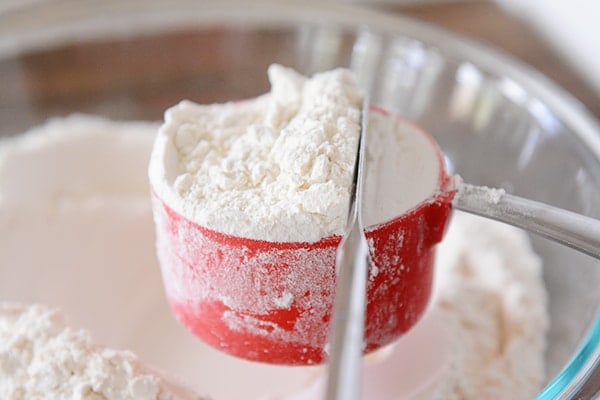
- Hold spoon level
-Dip + Sweep with edge of knife
-Flour- Spoon + Sweep
-Sift icing sugar
-Pack brown sugar


Thursday, 15 February 2018

Review on Practical of Bread Cases


Image result for knife safety
Knife Safety: Pointy end down and, walking and being sensible. NEVER try to catch a falling knife and never run with one.

Washcloths: We need to put the tea towels, hand towels and washcloths in the laundry so that it is ready to be cleaned. After doing so we need to re-stack the drawer with new tea towels, hand towels and washcloths.

Spray wipe: Before we cook anything we have to spray and wipe the tables and once we have finished cooking we need to spray and wipe our tables again.

Recycling tray: We put all the food scraps we have in the recycling tray and throw them out in the rubbish bin, the recyclings trays are then cleaned after class is over.

Image result for waterWater: We need to leave the water we use for cleaning, in the sink until all cooking is over. This is so that we don't need to keep re-filling the sink with water when there are dishes that need to be cleaned.


What could my team do better next time? At least two examples.

I think my team could work on improving our teamwork. Sometimes someone wouldn't do that much things and will leave the work to the other 3 people. 

Notes: 
Each person has a different job.
Try not to panic when we feel like we are falling behind.