Pages

Tuesday, 20 March 2018

Chromatography

Chromatography: The act of using a chemical to separate a mixture.

Method:
  1. Grab some leaves (5 pieces of the same type)
  2. Rip them into small pieces
  3. Put them in the pestle
  4. Grind it using the mortar 
  5. Put a few drops of Ethanol
  6. Then grind it completely.

Thursday, 15 March 2018

Nutrition Labels

Which packaging do you like? Why?
I like the packaging of the Oak Apricot Halves.
This is because it shows what the Apricot will look like, how the font is big and easy to read and how it says that the Apricot is in 'Light Syrup'.


What information is on the packaging? What are the legal requirements?
Nutrition Information
(SERVINGS PER PACKAGE:2 SERVING SIZE:250g)
                            AVG QUANTITY PER SERVING      AVG QUANTITY PER 100g
Energy                 595kJ                                              290kJ
Protein                 1.2g                                                  0.6g
Fat, Total             0g                                                    0g
-Saturated
Carbohydrate       32.6g                                               15.9g
-Sugars
Dietary Fibre       2.5g                                                 1.2 g
Sodium                 11mg                                                5mg


Legal Requirements:
-Be Legible
-Tell the truth
-Date marking
-Name or description of the food
-Name and address of the business
-Warning and advisory statements
-Ingredients list
-Percentage labelling
-Nutrition information panel
-Use and storage directions

What do food labels tell us?
Labels give us information that can help us decide whether we are able to eat this food or not. It also helps us decides what to choose as part of an overall healthy eating plan.

What are the first two ingredients on the list? Why are they named first?
First 2 ingredients:
-Apricot
-Water

These 2 are named first because they are both used in the greatest amount first. They have used Apricots a lot so that is why it's first and then they used a little bit of water so that is why it is listed as the second.

Wednesday, 14 March 2018

Musical Theatre

Jesus Christ Superstar

Who wrote the musical?
Andrew Lloyd Webber and Tim Rice both wrote the musical.

What is it about?
It is a 1970 rock musical. It started as a rock opera concept album before its Broadway debut in 1971. It represents political and interpersonal struggles between Judas Iscariot and Jesus that are not shown in the Bible.

What do I like about this show?
Something I like about this show is the way they all sing together and how they all came together with Jesus in the end.

Wicked

Who wrote the musical?
Winnie Holzman wrote the musical.

What is it about?
The musical is about someone whom people have bullied because of her skin colour. All this bullying has made her become a bully to others, although in the very beginning she was very nice.

What do I like about this show?
I like the way they act, it seems so realistic. I also like how they use clear and loud voices.

I like both of these shows because they are both very different. The Jesus Christ Superstar had a lot of people singing from the very beginning, while the Wicked one only had 2 people singing at the start. The singers are very good at dancing and singing at the same time. Especially Idina Menzel who had an asthma attack before the show started.


Wednesday, 7 March 2018

Dilution Series

Aim: Investigating diluting a solution
Result: The more solvent we added to the solution the less concentrated it became.

Friday, 2 March 2018

Measuring

LO: Students are able to demonstrate their knowledge and skills when it comes to baking and the fundamental ideas for it to be successful.
Image result for measuring spoons
Key points:
Spoons
-Metal
-1t 1T
-1/8 1/4 1/2

Measuring Cups
-Dry + Wet
-Glass- Liquid
Image result for dip and sweep-Dry

Techniques on how to measure
- Hold spoon level
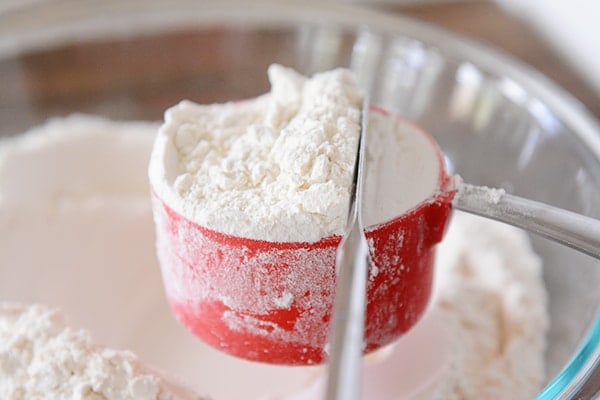
-Dip + Sweep with edge of knife
-Flour- Spoon + Sweep
-Sift icing sugar
-Pack brown sugar


Monday, 26 February 2018

Filtration

LO1: Design and carry out an experiment
LO2: Explain separation via filtration
Image result for muddy water
Experiment:
-Separate mud from water
-Use only equipment provided in ice cream container
-Record progress on Blog, include notes, changed, photos etc
-Change the design, learn from each trial


Materials:
Image result for cotton balls
  • Paper towels
  • 1 bottle
  • 2 plastic cups
  • 1 thread of string
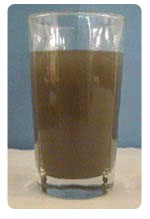
  • Cup of muddy water
  • Cotton balls
  • Cloth (Kind of a t-shirt texture)
Steps:
  1. Get all your materials ready
  2. Take the lid off the bottle
  3. Cut the bottom part of your bottle
  4. Take your paper towels and carefully put them inside the bottle
  5. Take your cotton balls and also put them inside the bottle (Leave 1 cotton ball for later)
  6. Take the leftover cotton ball and put it inside the nozzle
  7. Take your piece of cloth and put it on top of the hole you made at the bottom of the bottle
  8. Push your cloth inside deep enough so that the water wouldn't spill out
  9. Get your string and tie it around the cloth and the bottle
  10. Pour your cup of muddy water in carefully
  11. Wait for the results


Pictures:

(We forgot to take a picture of us putting the cotton balls in)


Cutting the bottom part of the bottle


Putting in the paper towels
Tying cloth with a string

Finished project


Observation/Conclusion: 

Our design worked well because the water we purified is clear, and it doesn't have huge bits of dirt in it.

Everything went well, except the colour of the water after it has been purified. My team worked okay together and there wasn't any fights or anything. 

I think our water is clear because of how many stages it went through, it went through 4 stages. It first went through the cloth (Catches all the unwanted dirt), it then went through the cotton balls (Purifies the water), it also went through the paper towels (Also purifies the water) and it finally goes through the last stage, the cotton ball.

The paper towels, cloth, cotton balls and string (helped tie the cloth onto the bottle) were very helpful. They all helped re-filter and make our design.

My team modified our design by taking out the cotton balls. This made the water drip quicker. This is because the paper towel has turned from dry to wet.

Whenever we re-filter our water, we change the paper towels. We do this so that the excess water that the paper towel has absorbed wouldn't get mixed with the water we are about to re-filter.

Aim:
Even though it is clear, the water still has a yellow colour to it, it does not look like drinking water. I looked closely at our purified water and noticed that there are still tiny bits of dirt in it. So my group's aim is to make our water clearer and cleaner. 

This may lead us to change our design and try out something else.

Link to an example:
Mrs Boothby's Science Blog